Enquire Now

HLT54121 – Diploma of Nursing

Build the knowledge, clinical skills and experience required for the pathway to Enrolled Nurse registration.
I am a
Domestic Student
Domestic Student
International Student

For the purpose of enrolment, IHNA considers you as a Domestic student if

  • you are an Australian citizen
  • a permanent resident of Australia
  • a New Zealand citizen, or
  • a holder of a permanent humanitarian visa, or
  • a temporary resident of Australia holding a valid visa of SC485 / SC482
public

Not a domestic student?

swap_horiz Switch to International

Mode of Delivery:

  • Blended
  • Face to Face

Course Duration:

  • 18 Months

Professional Experience Placement (PEP):

  • 400 Hours
  • Sydney
  • Melbourne
  • Perth
  • Brisbane

IHNA welcomes Aboriginal and Torres Strait Islander students and is committed to providing an inclusive and culturally respectful learning environment.

The HLT54121 – Diploma of Nursing develops the knowledge and practical skills required to provide person-centred nursing care and work towards becoming an Enrolled Nurse. The course covers areas including nursing care, medication administration, clinical assessment, and supporting the health and wellbeing of people across a range of healthcare settings.

After successfully completing the course, graduates may apply for registration as an Enrolled Nurse with the Nursing and Midwifery Board of Australia (NMBA), subject to meeting all applicable registration requirements. Once registered, Enrolled Nurses may work across settings such as hospitals, aged care, rehabilitation and community healthcare.

*VET Student Loans Available for Eligible Students

Eligible students may access a VET Student Loan to help pay their tuition fees. A VET Student Loan creates a debt that must be repaid to the Commonwealth. Eligibility criteria apply. The maximum VET Student Loan amount available for the HLT54121 Diploma of Nursing in 2026 is $19,290. The loan may not cover the full course tuition fee, and students may need to pay the remaining tuition fee gap.

  • Flexible study options: Face-to-face or eligible blended delivery with compulsory on-campus practical sessions.
  • Practical learning: Build clinical skills through simulation-based training.
  • 400 hours of placement: Gain experience in real healthcare settings.
  • Student support: Access academic, wellbeing, IT and placement support.
  • Experienced educators: Learn from qualified nursing and healthcare professionals.
Commonwealth Prac Payment (CPP)

Financial support may be available while you complete your nursing placement.

Eligible Diploma of Nursing students may receive $338.60 per week in 2026 while undertaking an eligible mandatory professional placement.

The Commonwealth Prac Payment is an Australian Government payment designed to help eligible students with living costs during mandatory placement. Eligibility criteria apply, and CPP does not reduce your course tuition fees.

How to Apply?

To learn more about eligibility and the application process, visit our Commonwealth Prac Payment page or contact us via email (enquiry@ihna.edu.au) or phone (1800 22 52 83) for assistance.

Note: *Indicative additional (non-tuition) costs also apply. Please refer to the Indicative Additional (Non-Tuition) Costs for more details.

Are you enrolling through an IHNA-approved Industry Partner?

Eligible domestic students enrolling through an IHNA-approved Industry Partner may receive up to a 20% tuition fee discount. Conditions apply.

Participating partners, discount amounts and eligibility conditions may vary. Please confirm your eligibility and applicable tuition fee before enrolling.

Check your eligibility → https://industryhub.ihna.edu.au/industry-partnership

2026 Tuition Fee

The standard tuition fee for the HLT54121 Diploma of Nursing is $24,000* for 2026 intakes.

PERTH CAMPUS – FEE UPDATE

From the September 2026 intake onwards, the standard tuition fee for students enrolling at the Perth Campus is $30,000*.

2027 Tuition Fee

FEE UPDATE – 2027 INTAKES

From the January 2027 intake onwards, the standard tuition fee for the HLT54121 Diploma of Nursing for domestic students is $30,000*.

View current fee information → https://ihna.edu.au/ihna-fees-charges/

  • If eligible for Western Australian Government funding, the student will pay*: $0

Notes

  • *This training is delivered under the Jobs and Skills WA program
  • *The Student tuition fees are indicative only and are subject to change given individual circumstances at enrolment. Additional fees may apply such as resource fees and other fees.
  • Refer to the “DTWD Funded Training” eligibility guidelines to check your funding eligibility. Click here.
WA Funding

Eligible students may be able to access a VET Student Loan (VSL) to help pay their Diploma of Nursing tuition fees.

VET Student Loans – Maximum Cap $19,290

Important information you should know:

  • VET Student Loans will not be approved for students who do not meet eligibility requirements

  • A VET Student Loan gives rise to a VETSL debt, which continues to be a debt due to the Commonwealth until it is repaid

The Australian Government has approved IHNA’s offering of VET Student Loans for this course. This allows eligible students to defer their tuition fees until they are earning so they can focus on their studies without financial stress.

How to Apply?

To learn more about eligibility and the application process, visit our VET Student Loans page or contact us via email (enquiry@ihna.edu.au) or phone (1800 22 52 83) for assistance.

There are no prerequisites for entry into this program. IHNA’s admission requirements for the program are as follows:

  • Successful completion of year 12 or equivalent or pathway through Certificate III or IV level qualification.
  • 18 years of age and above at the time of enrolment of the program.
  • Successful completion of the language, literacy, numeracy, and digital skills (LLND) test and demonstration of competence level as exit level 3 in the Australian Core Skills Framework (ACSF) in both reading and numeracy1.
  • NMBA specified level of English language skills and2.
  • Basic computer literacy3.

*IHNA considers applications from mature-age individuals (aged 22 years and above) who may not have completed Year 12 but can demonstrate substantial and relevant work or life experience in the health or community services sector. Maturity is assessed not only by age but also by the applicant’s demonstrated responsibility, motivation, communication skills, and ability to engage in self-directed learning. Each case will be reviewed individually by the training manager to ascertain the student’s suitability for the course requirements.4

1 – In case of international students, in numeracy only

2 – https://www.nursingmidwiferyboard.gov.au/registration-standards/english-language-skills.aspx

3 – IHNA has adopted ‘basic computer literacy’ definition that covers the most common usages of a computer, including managing computer files, word processing, using spreadsheets and databases; creating presentations; finding information and communicating using computers; and being aware of social and ethical implications of Internet use, retrieved from http://uis.unesco.org/en/glossary-term/basic-computer-skills on 06 November 2023

4 – Refer to IHNA’s Admission and Support Procedure for Mature Age Students

All IHNA students must complete the Language, Literacy, Numeracy, and Digital (LLND) assessment to ensure that students meet the necessary requirements for successfully undertaking the course. IHNA administers the LLND test to evaluate each student’s suitability.

  • A clear and satisfactory National Police Clearance (NCC) or Australian Federal Police (AFP) Clearance certificate.
  • Required Immunisations.
  • Working with Children Check (WWCC).
  • A valid NDIS Worker Screening Check.
  • Students must declare a disability or disorder (if any), or if they are on any medication which may require reasonable adjustments.

Note: Where a student breaches the above requirements, they could be excluded from their practical placements which may result in unsuccessful completion of the course. IHNA will not be responsible for any such exclusion.

Inherent Requirements are the essential components of a course or unit that demonstrate the abilities, knowledge and skills to achieve the core learning outcomes of the course or unit, while preserving the academic integrity of the institute’s learning, assessment and accreditation processes. Inherent Requirements constitute the capabilities, knowledge and skills that are compulsory to complete the course for all students.

The Diploma of Nursing combines theory, practical nursing skills, clinical assessments and professional experience placement.

You can study through face-to-face or blended delivery. Whichever option you choose, practical training and clinical assessments are completed on campus, and professional experience placement is completed in person. The Diploma of Nursing cannot be completed fully online.

Prefer learning on campus?

With face-to-face study:

  • Lectures are delivered on campus
  • Tutorials are delivered on campus
  • Practical training and clinical assessments are on campus
  • Professional experience placement is completed in person at an allocated placement venue

Face-to-face delivery is offered at IHNA campuses in Melbourne, Sydney, Perth and Brisbane.

Need more flexibility with your theory classes?

With blended study:

  • Lectures are delivered live online
  • Tutorials are delivered live online
  • Practical training and clinical assessments are completed on campus
  • Professional experience placement is completed in person

Please note: Blended study is not fully online. You will need to attend campus for compulsory practical training and clinical assessments.

  • 20 hours of scheduled learning each week plus
    around 10 hours of self-directed study each week
  • Scheduled learning may include lectures, tutorials, support sessions and practical activities. Placement periods have separate attendance requirements.
20 hrs scheduled learning +
~10 hrs independent study

IHNA has engaged in extensive consultation with subject matter experts and external consultants regarding the selection of assessment instruments. A range of assessment methods employed by IHNA ensures that assessments are fair, flexible, valid and reliable while ensuring that IHNA meets the requirements of the relevant Training Package and the rules of evidence. IHNA seeks to incorporate authentic assessments in all units of competency during the study.

Formative Assessments

Formative assessments will be conducted at set points during a unit of competency. Timings of the formative assessments will be communicated to students via LMS and in class by the educator. In the theoretical component the formative assessment may consist of the following:

  • Group discussion
  • MCQs (Multiple Choice Questions)
  • Various types of quizzes
  • Role plays
  • Nursing Skill assessments

Summative Assessment

Students will engage in a variety of summative assessments throughout the course, encompassing theory, Objective Structured Clinical Assessment (OSCA), and Professional Experience Placement (PEP). These assessments follow a mandatory and sequential structure, requiring students to progress from theory to OSCA to PEP. The theory assessments comprise examinations, short answer questions, case studies, projects, individual/group presentations and reflective journals. OSCA involves the evaluation of students’ nursing skills within simulated nursing laboratories.

The OSCA will replicate a clinical setting, offering scenarios that Enrolled Nurses (ENs) are likely to face as they assess, plan, implement, and evaluate patient care.

During this course you will learn and practice how to:

  • Basic to advanced nursing skills within the scope of an enrolled nurse
  • Administer medicines & intravenous therapy
  • Wound management
  • Care of the clients with acute, chronic & mental health conditions
  • Care of older clients
  • Effective communication
(For Jobs and Skills WA Training program requirement only)

Institute of Health and Nursing Australia (IHNA) will deliver minimum 2 days of on-campus classes on a weekly basis. Students must participate in 16 hours of scheduled course contact hours weekly. During these classes, students attend theory, on-campus simulation-based assessments and learning, which are a requirement of the Western Australia Department of Training and Workforce Development.

Additional Support and Resources


IHNA ensures that quality resources are accessible for staff and students to deliver programs efficiently and effectively. High quality and up-to-date learning resources enhance the effectiveness of the program by boosting the academic performance of students. IHNA provides comprehensive unit guides and learner guides that assist in directing the students to additional resources to support their learning.

  • Prescribed textbooks, library, and additional learning resources
    Prescribed textbooks
    • Koutoukidis, G., Stainton, K., & Hughson, J. (2020). Tabbner’s Nursing Care: Theory and Practice. (8th ed.). Elsevier.
    • Tiziani, A. (2021). Havard’s Nursing Guide to Drugs – Mobile Optimised Site: Vol. (11th ed). Elsevier.
    • Waugh, A., & Grant, A. (2022). Ross & Wilson. Anatomy and Physiology in Health and Illness (14th ed). Churchill Livingstone.

Student Suppport Services

IHNA offers support services to help students adjust to study, achieve their learning goals and make satisfactory progress towards required learning outcomes. IHNA provides both academic and non-academic support to students. All support services are available to students as per the Student Services Support Policy and the Student Services Support Procedure of IHNA.

Students will have access to support services via the LMS. Full details of support services available to students are set out in the Student Handbook and on the IHNA website.
Examples of student support services include, but are not limited to:

  • Orientation to the program, facilities, resources etc.
  • English language support
  • Language, Literacy and Numeracy (LLN) support
  • Welfare support services
  • Counselling support services
    • Internal counselling/mentoring service by IHNA staff
    • External counselling by Relationship Australia
  • IT support (available 24/7) for IT issues such as access, logins, using software and many other matters by telephone, email or live chat
  • Opportunities to ask questions in real-time with the chat, voice call and video call functions in LMS/Microsoft Teams
  • Library and literature search assistance including orientation webinars
  • Assistance with academic writing, referencing and citation styles
  • After hours support for students while on PEP
  • Career guidance
  • Access to Resolution Institute (independent mediator)
  • Assistance for Aboriginal and Torres Strait Islander students
  • Pastoral care services

IHNA provides support for students from diverse backgrounds including Aboriginal and Torres Strait Islander people, international students and students with disabilities. Likewise, IHNA has established the Aboriginal and Torres Strait Islander Education and Support Committee to promote and support the communities, not only from students’ perspective but also for the staff members and local communities.

Student support tickets system

The student support ticket system operates at campuses and on the national level. This system is available in multiple platforms and ways for students’ convenience in accessing such services.

  • LMS: Students can book support sessions through the LMS on academic matters, student wellbeing and safety, mental health and wellbeing, counselling and library support.
  • Chatbot: Students can make contact through Rishi the Bot for all support requests. The chatbot is a 24*7 support system, with academic, admin and other support services. Students can also contact their designated educator, student administration officer, course coordinator and/or placement coordinators through this system.
  • Student Hub: Students can book support sessions through the Student Hub on academic matters, student wellbeing and safety, mental health and wellbeing, counselling and library support.
  • MS Teams: Students can use MS Teams to make contact with relevant staff member with their support requests. Students can also contact their designated educator, student administration officer, course coordinator and/or placement coordinators through MS Teams.

Student Campus Council (SCC)

IHNA has established a Student Campus Council (SCC) in each campus to organise and coordinate local activities and to make their voice heard on relevant matters and concerns. The minutes of each SCC meeting will be forwarded to the Learning and Teaching Committee and Student Representative Council (SRC) which will listen to student voices, receive feedback and translate them into actions for students’ welfare.

SEMESTER 1

Unit Code Unit Title
CHCDIV001 Work with diverse people
HLTENN035 Practise nursing within the Australian health care system
HLTAAP002 Confirm physical health status
HLTENN036 Apply communication skills in nursing practice
HLTINF006 Apply basic principles and practices of infection prevention and control
HLTWHS002 Follow safe work practices for direct client care
HLTENN037 Perform clinical assessment and contribute to planning nursing care
HLTENN041 Apply legal and ethical parameters to nursing practice
HLTENN045 Implement and monitor care of the older person
HLTENN068 Provide end of life care and a palliative approach in nursing practice

SEMESTER 2

Unit Code Unit Title
CHCDIV002 Promote Aboriginal and/or Torres Strait Islander cultural safety
HLTENN039 Apply principles of wound management
HLTAAP003 Analyse and respond to client health information
HLTENN040 (Part I) Administer and monitor medicines and intravenous therapy
HLTENN044 Implement and monitor care for a person with chronic health conditions
HLTENN057 Contribute to nursing care of a person with diabetes
BSBPEF402 Develop personal work priorities
BSBLDR414 Lead Team Effectiveness

SEMESTER 3

Unit Code Unit Title
HLTENN043 Implement and monitor care for a person with Acute health conditions
HLTENN040 (Part II) Administer and Monitor Medicine and Intravenous Therapy
HLTENN047 Apply nursing practice in the primary health care setting
CHCPRP003 Reflect on and improve own professional practice
HLTENN038 Implement, monitor and evaluate nursing care
HLTENN042 Implement and monitor care for a person with mental health conditions
HLTADM008 Administer and coordinate Telehealth services

We have over 220 industry partners and the biggest names in industry in every state allowing our students to put into practice what they have learnt and get real-life experience.

Professional Experience Placement (PEP) is an essential component of most of the units of this course. Students will commence the PEP upon completion of theory assessments, SBA and OSCA. During the PEP, students will apply the required essential knowledge and skills to demonstrate competency for each unit of this qualification.

This course requires students to complete a total of 400 hours of PEP, which will be held in three stages:

  • 120 hours in the aged-care setting (at the end of the first semester)
  • 120 hours in the sub-acute setting (at the end of the second semester)
  • 160 hours in the acute care setting (at the end of the final semester)

During Placement, students will be expected to work in the allocated placement facilities between Monday to Friday (including public holidays and maybe weekends depending on facilities) either:

  • Morning shifts commencing from 7am onwards or
  • Afternoon shifts that commence from 2pm onwards

Want to know more about IHNA’s clinical and industry partners? Click here

Now eligible domestic students will be able to apply for the Commonwealth Prac Payment (CPP). This will assist with eligible domestic student to cover the expenses during mandatory, full-time practical placements.

  • November 16, 2026
  • January 18, 2027
  • March 01, 2027
  • May 10, 2027
  • July 19, 2027
  • September 20, 2027
  • November 15, 2027

Graduates who successfully complete the HLT54121 – Diploma of Nursing may pursue further vocational education in specialised areas or continue into higher education programs to expand their career opportunities. IHNA has established articulation pathways with a range of leading Australian universities, enabling eligible graduates to apply for credit and progress into bachelor-level nursing and health programs, subject to each university’s entry requirements and credit policies.

To explore current pathway options, visit our University partners and pathways page.

Please connect with IHNA Advisor to learn more about Pathway arrangements on enquiry@ihna.edu.au or
reach out to us on 1800 22 52 83

Graduates of the Diploma of Nursing program have the opportunity to explore a range of career paths in various environments such as hospitals, mental health facilities, aged care facilities, rehabilitation centres, general practitioner clinics or community healthcare settings.

Upon successful registration with the Nursing and Midwifery Board of Australia (NMBA) as an enrolled nurse you may gain employment in various healthcare facilities, which may include:

  • Medical centres
  • Training resource centres
  • Open employment services
  • Other community settings and clients’ homes
  • Palliative Care
  • Hospitals- private and public
  • Day respite centres
  • Rehabilitation centres
  • Residential group homes
  • Aged Care

Already have relevant study, skills or experience?

You may be able to have some of your previous learning recognised toward your Diploma of Nursing. Any recognition or credit is subject to assessment and the requirements of the course.

If you already have relevant nursing or healthcare skills and experience, you may be eligible to apply for Recognition of Prior Learning (RPL).

IHNA will assess the evidence you provide against the requirements of the relevant units. RPL is not automatic and eligibility will depend on your individual experience and evidence.

Ask us about RPL → https://ihna.edu.au/rpl-and-credit-transfer/

If you have previously completed equivalent units of competency at IHNA or another Registered Training Organisation (RTO), you may be eligible for Credit Transfer.

You’ll need to provide evidence of your previous study so IHNA can confirm whether the completed units are equivalent to units in the Diploma of Nursing.

Check your Credit Transfer eligibility → https://ihna.edu.au/rpl-and-credit-transfer/

At IHNA, we make learning work for you. Our flexible study options are designed to support your lifestyle, work commitments and personal goals.

Blended Learning Options


  • Flexible Blended Classes: Ideal for working professionals and regional students; join live online theory classes and attend campus-based simulation blocks twice per semester.

Access to World-Class Resources


  • Digital Library: 24/7 access to thousands of e-books, nursing journals and research articles via IHNA’s online library.
  • Recorded Content: Revise anytime with recorded lectures, webinars and discussion forums.

Hands-On Learning, Anytime


  • Simulation Labs: Practice makes perfect-use our state-of-the-art simulation labs from 8:30 a.m. to 5:00 p.m., five days a week, at any IHNA campus.

2.5 days / week or 4 Hours / day for 5 days (evening only)(Only for Domestic candidates)

2.5 days /or 20 hours/week for International and Domestic students.

No, SBT, OSCA (Objective Structured Clinical Assessment) and PEP face to face on campus attendance mandatory and it is on Monday to Friday, 8.30 – 16.30. Minimum 4 weeks leave is required for every semester.

No, PEP rosters are set by the placement facility and is aligned with the shifting times of the facility. I.e. 7am to 3pm morning shift and 2 to 10pm for afternoon shift.

Yes, you are encouraged to apply for Credit Transfer or Recognition of Prior Learning (RPL) based on your previous studies.

Recognition of Prior Learning (RPL) Students will be offered opportunties to seek Recognition of Prior Learning (RPL) in accordance with our policies and procedures. Decisions regarding RPL are based on evidence of prior skills, learning, and experience, and are carried out in alignment with IHNA established assessment system. All RPL decisions are documented in a transparent and fair manner, ensuring consistency across all VET students while maintaining the integrity and quality of the training product.

Credit Transfer (CT) IHNA grants credit transfer based on evidence of prior completion of an equivalent training product, demonstrated through AQF certification documentation or an authenticated VET transcript. IHNA will also consider licensing or regulatory requirements, including the Nursing and Midwifery Board of Australia (NMBA), the nature of the training product, the scope of practice, as well as course alignment, before granting credit transfer. All decisions regarding credit transfer are made fairly, consistently, and transparently, and are thoroughly documented.

As a part of structured interactive learning, pre-recorded lectures and learning resources are provided for students’ independent review before class.

Yes, 80% of attendance is mandatory for this course.

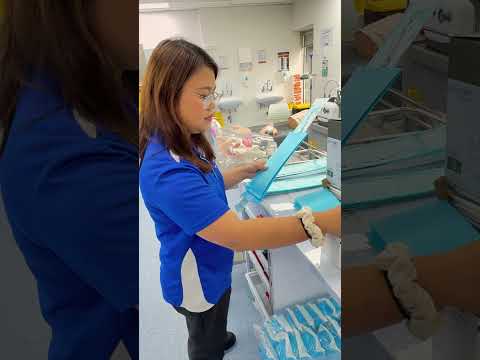
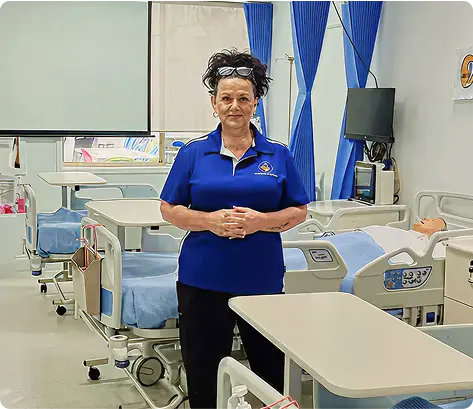
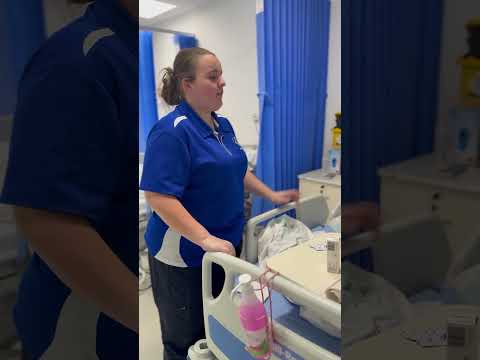
The student will be trained as assessed nursing skills in a laboratory simulated environment.

Yes, there is one day support session on each week. Apart from that there will be 24*7 online live support from student support team.

No, but we will guide students to get placement and registration.

No, we will organize the work placement for students. Arrangements are subject to availability.

  • Flexible study options: Face-to-face or eligible blended delivery with compulsory on-campus practical sessions.
  • Practical learning: Build clinical skills through simulation-based training.
  • 400 hours of placement: Gain experience in real healthcare settings.
  • Student support: Access academic, wellbeing, IT and placement support.
  • Experienced educators: Learn from qualified nursing and healthcare professionals.
Commonwealth Prac Payment (CPP)

Financial support may be available while you complete your nursing placement.

Eligible Diploma of Nursing students may receive $338.60 per week in 2026 while undertaking an eligible mandatory professional placement.

The Commonwealth Prac Payment is an Australian Government payment designed to help eligible students with living costs during mandatory placement. Eligibility criteria apply, and CPP does not reduce your course tuition fees.

How to Apply?

To learn more about eligibility and the application process, visit our Commonwealth Prac Payment page or contact us via email (enquiry@ihna.edu.au) or phone (1800 22 52 83) for assistance.

Note: *Indicative additional (non-tuition) costs also apply. Please refer to the Indicative Additional (Non-Tuition) Costs for more details.

Are you enrolling through an IHNA-approved Industry Partner?

Eligible domestic students enrolling through an IHNA-approved Industry Partner may receive up to a 20% tuition fee discount. Conditions apply.

Participating partners, discount amounts and eligibility conditions may vary. Please confirm your eligibility and applicable tuition fee before enrolling.

Check your eligibility → https://industryhub.ihna.edu.au/industry-partnership

<

2026 Tuition Fee

The standard tuition fee for the HLT54121 Diploma of Nursing is $24,000* for 2026 intakes.

PERTH CAMPUS – FEE UPDATE

From the September 2026 intake onwards, the standard tuition fee for students enrolling at the Perth Campus is $30,000*.

2027 Tuition Fee

FEE UPDATE – 2027 INTAKES

From the January 2027 intake onwards, the standard tuition fee for the HLT54121 Diploma of Nursing for domestic students is $30,000*.

View current fee information → https://ihna.edu.au/ihna-fees-charges/

  • If eligible for Western Australian Government funding, the student will pay*: $0

Notes

  • *This training is delivered under the Jobs and Skills WA program
  • *The Student tuition fees are indicative only and are subject to change given individual circumstances at enrolment. Additional fees may apply such as resource fees and other fees.
  • Refer to the “DTWD Funded Training” eligibility guidelines to check your funding eligibility. Click here.
WA Funding

Eligible students may be able to access a VET Student Loan (VSL) to help pay their Diploma of Nursing tuition fees.

VET Student Loans – Maximum Cap $19,290

Important information you should know:

  • VET Student Loans will not be approved for students who do not meet eligibility requirements

  • A VET Student Loan gives rise to a VETSL debt, which continues to be a debt due to the Commonwealth until it is repaid

The Australian Government has approved IHNA’s offering of VET Student Loans for this course. This allows eligible students to defer their tuition fees until they are earning so they can focus on their studies without financial stress.

How to Apply?

To learn more about eligibility and the application process, visit our VET Student Loans page or contact us via email (enquiry@ihna.edu.au) or phone (1800 22 52 83) for assistance.

There are no prerequisites for entry into this program. IHNA’s admission requirements for the program are as follows:

  • Successful completion of year 12 or equivalent or pathway through Certificate III or IV level qualification.
  • 18 years of age and above at the time of enrolment of the program.
  • Successful completion of the language, literacy, numeracy, and digital skills (LLND) test and demonstration of competence level as exit level 3 in the Australian Core Skills Framework (ACSF) in both reading and numeracy1.
  • NMBA specified level of English language skills and2.
  • Basic computer literacy3.

*IHNA considers applications from mature-age individuals (aged 22 years and above) who may not have completed Year 12 but can demonstrate substantial and relevant work or life experience in the health or community services sector. Maturity is assessed not only by age but also by the applicant’s demonstrated responsibility, motivation, communication skills, and ability to engage in self-directed learning. Each case will be reviewed individually by the training manager to ascertain the student’s suitability for the course requirements.4

1 – In case of international students, in numeracy only

2 – https://www.nursingmidwiferyboard.gov.au/registration-standards/english-language-skills.aspx

3 – IHNA has adopted ‘basic computer literacy’ definition that covers the most common usages of a computer, including managing computer files, word processing, using spreadsheets and databases; creating presentations; finding information and communicating using computers; and being aware of social and ethical implications of Internet use, retrieved from http://uis.unesco.org/en/glossary-term/basic-computer-skills on 06 November 2023

4 – Refer to IHNA’s Admission and Support Procedure for Mature Age Students

All IHNA students must complete the Language, Literacy, Numeracy, and Digital (LLND) assessment to ensure that students meet the necessary requirements for successfully undertaking the course. IHNA administers the LLND test to evaluate each student’s suitability.

  • A clear and satisfactory National Police Clearance (NCC) or Australian Federal Police (AFP) Clearance certificate.
  • Required Immunisations.
  • Working with Children Check (WWCC).
  • A valid NDIS Worker Screening Check.
  • Students must declare a disability or disorder (if any), or if they are on any medication which may require reasonable adjustments.

Note: Where a student breaches the above requirements, they could be excluded from their practical placements which may result in unsuccessful completion of the course. IHNA will not be responsible for any such exclusion.

Inherent Requirements are the essential components of a course or unit that demonstrate the abilities, knowledge and skills to achieve the core learning outcomes of the course or unit, while preserving the academic integrity of the institute’s learning, assessment and accreditation processes. Inherent Requirements constitute the capabilities, knowledge and skills that are compulsory to complete the course for all students.

The Diploma of Nursing combines theory, practical nursing skills, clinical assessments and professional experience placement.

You can study through face-to-face or blended delivery. Whichever option you choose, practical training and clinical assessments are completed on campus, and professional experience placement is completed in person. The Diploma of Nursing cannot be completed fully online.

Prefer learning on campus?

With face-to-face study:

  • Lectures are delivered on campus
  • Tutorials are delivered on campus
  • Practical training and clinical assessments are on campus
  • Professional experience placement is completed in person at an allocated placement venue

Face-to-face delivery is offered at IHNA campuses in Melbourne, Sydney, Perth and Brisbane.

Need more flexibility with your theory classes?

With blended study:

  • Lectures are delivered live online
  • Tutorials are delivered live online
  • Practical training and clinical assessments are completed on campus
  • Professional experience placement is completed in person

Please note: Blended study is not fully online. You will need to attend campus for compulsory practical training and clinical assessments.

  • 20 hours of scheduled learning each week plus
    around 10 hours of self-directed study each week
  • Scheduled learning may include lectures, tutorials, support sessions and practical activities. Placement periods have separate attendance requirements.
20 hrs scheduled learning +
~10 hrs independent study

IHNA has engaged in extensive consultation with subject matter experts and external consultants regarding the selection of assessment instruments. A range of assessment methods employed by IHNA ensures that assessments are fair, flexible, valid and reliable while ensuring that IHNA meets the requirements of the relevant Training Package and the rules of evidence. IHNA seeks to incorporate authentic assessments in all units of competency during the study.

Formative Assessments

Formative assessments will be conducted at set points during a unit of competency. Timings of the formative assessments will be communicated to students via LMS and in class by the educator. In the theoretical component the formative assessment may consist of the following:

  • Group discussion
  • MCQs (Multiple Choice Questions)
  • Various types of quizzes
  • Role plays
  • Nursing Skill assessments

Summative Assessment

Students will engage in a variety of summative assessments throughout the course, encompassing theory, Objective Structured Clinical Assessment (OSCA), and Professional Experience Placement (PEP). These assessments follow a mandatory and sequential structure, requiring students to progress from theory to OSCA to PEP. The theory assessments comprise examinations, short answer questions, case studies, projects, individual/group presentations and reflective journals. OSCA involves the evaluation of students’ nursing skills within simulated nursing laboratories.

The OSCA will replicate a clinical setting, offering scenarios that Enrolled Nurses (ENs) are likely to face as they assess, plan, implement, and evaluate patient care.

During this course you will learn and practice how to:

  • Basic to advanced nursing skills within the scope of an enrolled nurse
  • Administer medicines & intravenous therapy
  • Wound management
  • Care of the clients with acute, chronic & mental health conditions
  • Care of older clients
  • Effective communication
(For Jobs and Skills WA Training program requirement only)

Institute of Health and Nursing Australia (IHNA) will deliver minimum 2 days of on-campus classes on a weekly basis. Students must participate in 16 hours of scheduled course contact hours weekly. During these classes, students attend theory, on-campus simulation-based assessments and learning, which are a requirement of the Western Australia Department of Training and Workforce Development.

Additional Support and Resources


IHNA ensures that quality resources are accessible for staff and students to deliver programs efficiently and effectively. High quality and up-to-date learning resources enhance the effectiveness of the program by boosting the academic performance of students. IHNA provides comprehensive unit guides and learner guides that assist in directing the students to additional resources to support their learning.

  • Prescribed textbooks, library, and additional learning resources
    Prescribed textbooks
    • Koutoukidis, G., Stainton, K., & Hughson, J. (2020). Tabbner’s Nursing Care: Theory and Practice. (8th ed.). Elsevier.
    • Tiziani, A. (2021). Havard’s Nursing Guide to Drugs – Mobile Optimised Site: Vol. (11th ed). Elsevier.
    • Waugh, A., & Grant, A. (2022). Ross & Wilson. Anatomy and Physiology in Health and Illness (14th ed). Churchill Livingstone.

Student Suppport Services

IHNA offers support services to help students adjust to study, achieve their learning goals and make satisfactory progress towards required learning outcomes. IHNA provides both academic and non-academic support to students. All support services are available to students as per the Student Services Support Policy and the Student Services Support Procedure of IHNA.

Students will have access to support services via the LMS. Full details of support services available to students are set out in the Student Handbook and on the IHNA website.
Examples of student support services include, but are not limited to:

  • Orientation to the program, facilities, resources etc.
  • English language support
  • Language, Literacy and Numeracy (LLN) support
  • Welfare support services
  • Counselling support services
    • Internal counselling/mentoring service by IHNA staff
    • External counselling by Relationship Australia
  • IT support (available 24/7) for IT issues such as access, logins, using software and many other matters by telephone, email or live chat
  • Opportunities to ask questions in real-time with the chat, voice call and video call functions in LMS/Microsoft Teams
  • Library and literature search assistance including orientation webinars
  • Assistance with academic writing, referencing and citation styles
  • After hours support for students while on PEP
  • Career guidance
  • Access to Resolution Institute (independent mediator)
  • Assistance for Aboriginal and Torres Strait Islander students
  • Pastoral care services

IHNA provides support for students from diverse backgrounds including Aboriginal and Torres Strait Islander people, international students and students with disabilities. Likewise, IHNA has established the Aboriginal and Torres Strait Islander Education and Support Committee to promote and support the communities, not only from students’ perspective but also for the staff members and local communities.

Student support tickets system

The student support ticket system operates at campuses and on the national level. This system is available in multiple platforms and ways for students’ convenience in accessing such services.

  • LMS: Students can book support sessions through the LMS on academic matters, student wellbeing and safety, mental health and wellbeing, counselling and library support.
  • Chatbot: Students can make contact through Rishi the Bot for all support requests. The chatbot is a 24*7 support system, with academic, admin and other support services. Students can also contact their designated educator, student administration officer, course coordinator and/or placement coordinators through this system.
  • Student Hub: Students can book support sessions through the Student Hub on academic matters, student wellbeing and safety, mental health and wellbeing, counselling and library support.
  • MS Teams: Students can use MS Teams to make contact with relevant staff member with their support requests. Students can also contact their designated educator, student administration officer, course coordinator and/or placement coordinators through MS Teams.

Student Campus Council (SCC)

IHNA has established a Student Campus Council (SCC) in each campus to organise and coordinate local activities and to make their voice heard on relevant matters and concerns. The minutes of each SCC meeting will be forwarded to the Learning and Teaching Committee and Student Representative Council (SRC) which will listen to student voices, receive feedback and translate them into actions for students’ welfare.

SEMESTER 1

Unit Code Unit Title
CHCDIV001 Work with diverse people
HLTENN035 Practise nursing within the Australian health care system
HLTAAP002 Confirm physical health status
HLTENN036 Apply communication skills in nursing practice
HLTINF006 Apply basic principles and practices of infection prevention and control
HLTWHS002 Follow safe work practices for direct client care
HLTENN037 Perform clinical assessment and contribute to planning nursing care
HLTENN041 Apply legal and ethical parameters to nursing practice
HLTENN045 Implement and monitor care of the older person
HLTENN068 Provide end of life care and a palliative approach in nursing practice

SEMESTER 2

Unit Code Unit Title
CHCDIV002 Promote Aboriginal and/or Torres Strait Islander cultural safety
HLTENN039 Apply principles of wound management
HLTAAP003 Analyse and respond to client health information
HLTENN040 (Part I) Administer and monitor medicines and intravenous therapy
HLTENN044 Implement and monitor care for a person with chronic health conditions
HLTENN057 Contribute to nursing care of a person with diabetes
BSBPEF402 Develop personal work priorities
BSBLDR414 Lead Team Effectiveness

SEMESTER 3

Unit Code Unit Title
HLTENN043 Implement and monitor care for a person with Acute health conditions
HLTENN040 (Part II) Administer and Monitor Medicine and Intravenous Therapy
HLTENN047 Apply nursing practice in the primary health care setting
CHCPRP003 Reflect on and improve own professional practice
HLTENN038 Implement, monitor and evaluate nursing care
HLTENN042 Implement and monitor care for a person with mental health conditions
HLTADM008 Administer and coordinate Telehealth services

We have over 220 industry partners and the biggest names in industry in every state allowing our students to put into practice what they have learnt and get real-life experience.

Professional Experience Placement (PEP) is an essential component of most of the units of this course. Students will commence the PEP upon completion of theory assessments, SBA and OSCA. During the PEP, students will apply the required essential knowledge and skills to demonstrate competency for each unit of this qualification.

This course requires students to complete a total of 400 hours of PEP, which will be held in three stages:

  • 120 hours in the aged-care setting (at the end of the first semester)
  • 120 hours in the sub-acute setting (at the end of the second semester)
  • 160 hours in the acute care setting (at the end of the final semester)

During Placement, students will be expected to work in the allocated placement facilities between Monday to Friday (including public holidays and maybe weekends depending on facilities) either:

  • Morning shifts commencing from 7am onwards or
  • Afternoon shifts that commence from 2pm onwards

Want to know more about IHNA’s clinical and industry partners? Click here

Now eligible domestic students will be able to apply for the Commonwealth Prac Payment (CPP). This will assist with eligible domestic student to cover the expenses during mandatory, full-time practical placements.

  • November 16, 2026
  • January 18, 2027
  • March 01, 2027
  • May 10, 2027
  • July 19, 2027
  • September 20, 2027
  • November 15, 2027

Graduates who successfully complete the HLT54121 – Diploma of Nursing may pursue further vocational education in specialised areas or continue into higher education programs to expand their career opportunities. IHNA has established articulation pathways with a range of leading Australian universities, enabling eligible graduates to apply for credit and progress into bachelor-level nursing and health programs, subject to each university’s entry requirements and credit policies.

To explore current pathway options, visit our University partners and pathways page.

Please connect with IHNA Advisor to learn more about Pathway arrangements on enquiry@ihna.edu.au or
reach out to us on 1800 22 52 83

Graduates of the Diploma of Nursing program have the opportunity to explore a range of career paths in various environments such as hospitals, mental health facilities, aged care facilities, rehabilitation centres, general practitioner clinics or community healthcare settings.

Upon successful registration with the Nursing and Midwifery Board of Australia (NMBA) as an enrolled nurse you may gain employment in various healthcare facilities, which may include:

  • Medical centres
  • Training resource centres
  • Open employment services
  • Other community settings and clients’ homes
  • Palliative Care
  • Hospitals- private and public
  • Day respite centres
  • Rehabilitation centres
  • Residential group homes
  • Aged Care

Already have relevant study, skills or experience?

You may be able to have some of your previous learning recognised toward your Diploma of Nursing. Any recognition or credit is subject to assessment and the requirements of the course.

If you already have relevant nursing or healthcare skills and experience, you may be eligible to apply for Recognition of Prior Learning (RPL).

IHNA will assess the evidence you provide against the requirements of the relevant units. RPL is not automatic and eligibility will depend on your individual experience and evidence.

Ask us about RPL → https://ihna.edu.au/rpl-and-credit-transfer/

If you have previously completed equivalent units of competency at IHNA or another Registered Training Organisation (RTO), you may be eligible for Credit Transfer.

You’ll need to provide evidence of your previous study so IHNA can confirm whether the completed units are equivalent to units in the Diploma of Nursing.

Check your Credit Transfer eligibility → https://ihna.edu.au/rpl-and-credit-transfer/

At IHNA, we make learning work for you. Our flexible study options are designed to support your lifestyle, work commitments and personal goals.

Blended Learning Options


  • Flexible Blended Classes: Ideal for working professionals and regional students; join live online theory classes and attend campus-based simulation blocks twice per semester.

Access to World-Class Resources


  • Digital Library: 24/7 access to thousands of e-books, nursing journals and research articles via IHNA’s online library.
  • Recorded Content: Revise anytime with recorded lectures, webinars and discussion forums.

Hands-On Learning, Anytime


  • Simulation Labs: Practice makes perfect-use our state-of-the-art simulation labs from 8:30 a.m. to 5:00 p.m., five days a week, at any IHNA campus.

2.5 days / week or 4 Hours / day for 5 days (evening only)(Only for Domestic candidates)

2.5 days /or 20 hours/week for International and Domestic students.

No, SBT, OSCA (Objective Structured Clinical Assessment) and PEP face to face on campus attendance mandatory and it is on Monday to Friday, 8.30 – 16.30. Minimum 4 weeks leave is required for every semester.

No, PEP rosters are set by the placement facility and is aligned with the shifting times of the facility. I.e. 7am to 3pm morning shift and 2 to 10pm for afternoon shift.

Yes, you are encouraged to apply for Credit Transfer or Recognition of Prior Learning (RPL) based on your previous studies.

Recognition of Prior Learning (RPL) Students will be offered opportunties to seek Recognition of Prior Learning (RPL) in accordance with our policies and procedures. Decisions regarding RPL are based on evidence of prior skills, learning, and experience, and are carried out in alignment with IHNA established assessment system. All RPL decisions are documented in a transparent and fair manner, ensuring consistency across all VET students while maintaining the integrity and quality of the training product.

Credit Transfer (CT) IHNA grants credit transfer based on evidence of prior completion of an equivalent training product, demonstrated through AQF certification documentation or an authenticated VET transcript. IHNA will also consider licensing or regulatory requirements, including the Nursing and Midwifery Board of Australia (NMBA), the nature of the training product, the scope of practice, as well as course alignment, before granting credit transfer. All decisions regarding credit transfer are made fairly, consistently, and transparently, and are thoroughly documented.

As a part of structured interactive learning, pre-recorded lectures and learning resources are provided for students’ independent review before class.

Yes, 80% of attendance is mandatory for this course.

The student will be trained as assessed nursing skills in a laboratory simulated environment.

Yes, there is one day support session on each week. Apart from that there will be 24*7 online live support from student support team.

No, but we will guide students to get placement and registration.

No, we will organize the work placement for students. Arrangements are subject to availability.

One course, Endless possibilities

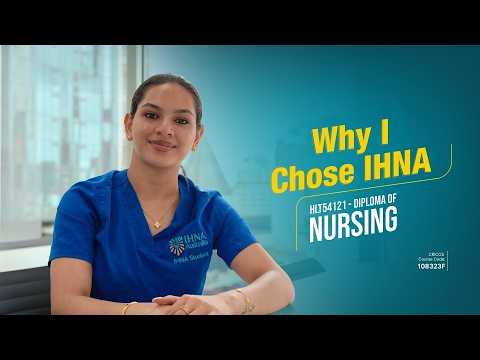
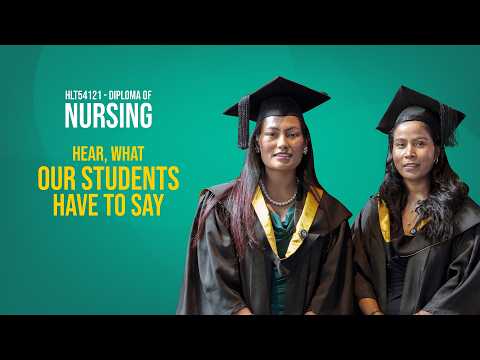
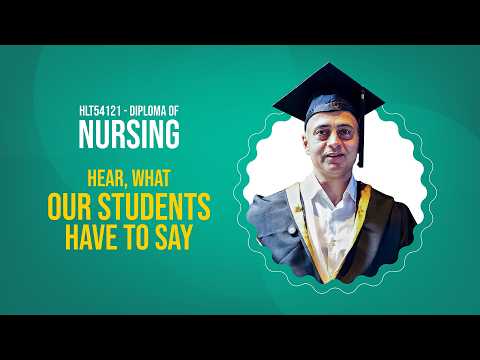
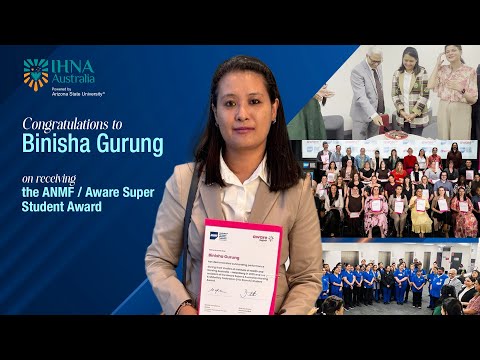
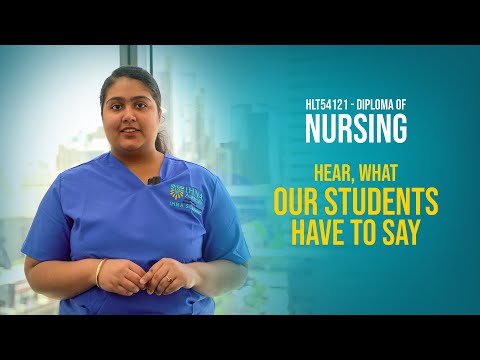
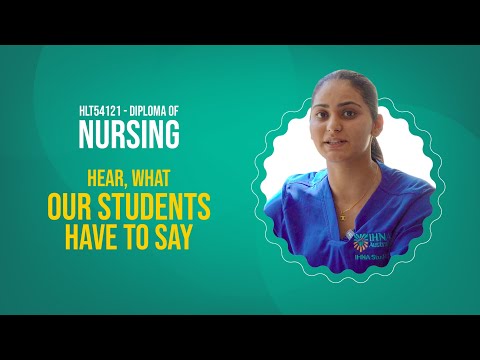
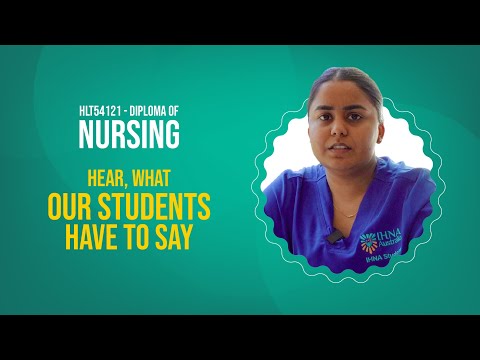
Student Testimonials

Related Blogs

A Respected Institution

At IHNA, we are committed to elevating the student experience by pushing the boundaries of vocational education, whether online or on-campus.

One of the largest providers of Diploma of Nursing in Australia

220+

Industry partnerships

1,000+

IHNA Shapes 1,000+ healthcare leaders annually.

30,000+

Students studied with IHNA

Talk to an
Enrolment Advisor

Get an answer on courses, costs, careers as well as facilities, entry requirements or just about anything else relating to studying at IHNA. We are here to help you

Acknowledgement

IHNA acknowledges the Traditional Owners of the country throughout Australia and recognises continuing connection to land, waters, and culture.
We pay our respects to Elders past, present and emerging.